

15 months – 5 years
Preschool Gymnastics
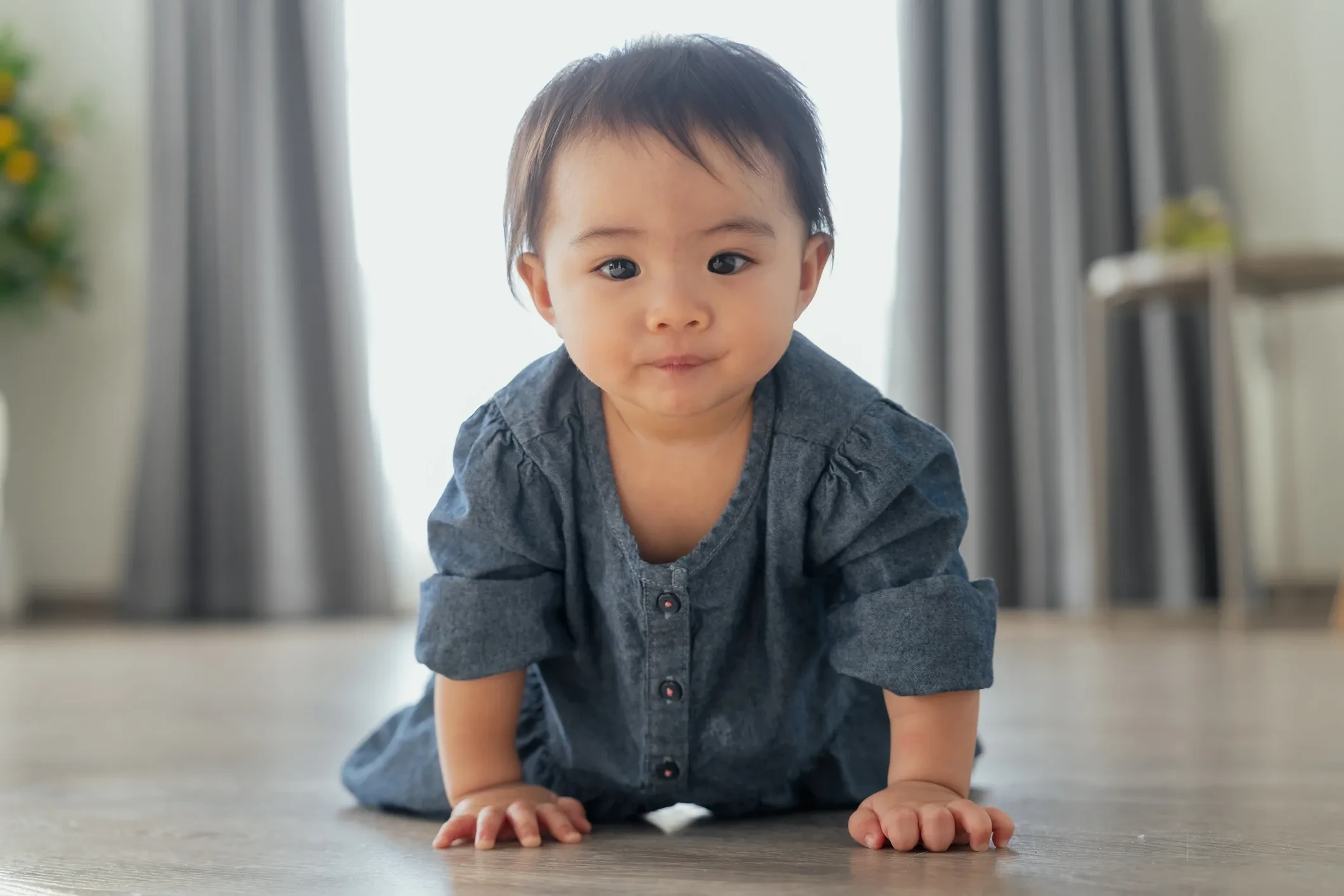
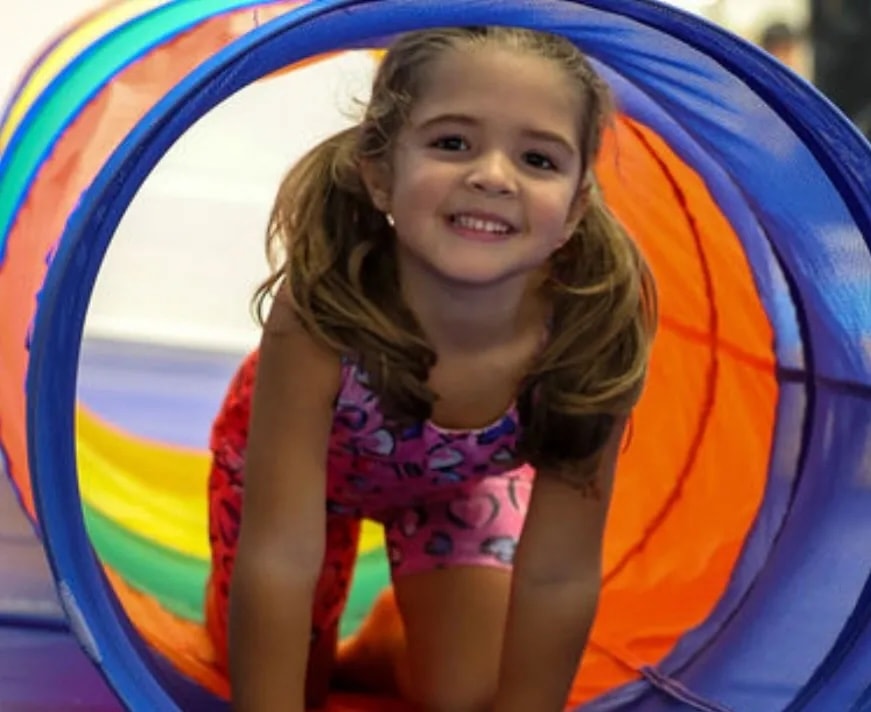
Tiny Twisters (walkers–age 3) and Little Twisters (ages 3–5). 45-minute classes at $135/month. Movement, coordination, and confidence — because at this age, play is the curriculum.

Santa Clara, CA · Founded 2006
For decades, the handstand has been seen as the foundation of Gymnastics. At Twisters, we respectfully disagree. We believe that there are Seven Root Skills and every skill in the sport traces back to one of them.
Preschool · Recreational · Developmental · Competitive
Six colors. Six principles. One body learning to move with intention.
Foundation before flight
Every skill in the curriculum is built on a biomechanical foundation. We do not rush to the skill — we build the body that can own it.
The line is the standard
We teach gymnasts to feel the line — the straight, hollow, extended position that is the foundation of every skill in the sport.
Coaching is a conversation
We keep groups small because coaching is not broadcasting. It is a back-and-forth between coach and gymnast, repeated until the body understands.
Excellence, not level
We do not chase levels. We build gymnasts who own their skills at every level they reach — and are ready for the next one when the body is ready.
The curriculum is the map
Seven roots. A map from the first log roll down a wedge to the Yurchenko vault — and every skill in between traces back to one of them.
The T is a model of the body. The six colors are the six principles. The curriculum is the path.
The lower body. The base. The part of the gymnast that connects to the floor and generates force.
The core. The transfer point. The part of the gymnast that connects the lower body to the upper body and controls the line.
The upper body. The arms, the head, the finish. The part of the gymnast the judge sees last — and remembers.
Every skill in gymnastics is a negotiation with one of the four fundamental forces of the universe. The gymnast who understands the force understands the skill.
See the full curriculumSpinning around an axis. Every somersault, every turn, every roll is rotation.
Moving through space in a straight line. Running, jumping, vaulting — translation.
Swinging back and forth. Bar work, beam connections, pendulum motion.
Launching into the air. The moment of flight — every aerial skill begins here.
Programs
Tiny Twisters (walkers–age 3) and Little Twisters (ages 3–5). 45-minute classes at $135/month. Movement, coordination, and confidence — because at this age, play is the curriculum.

The full Twisters curriculum. Skills, progressions, and the biomechanical foundation that makes every gymnast better — regardless of where they end up. $155/month.
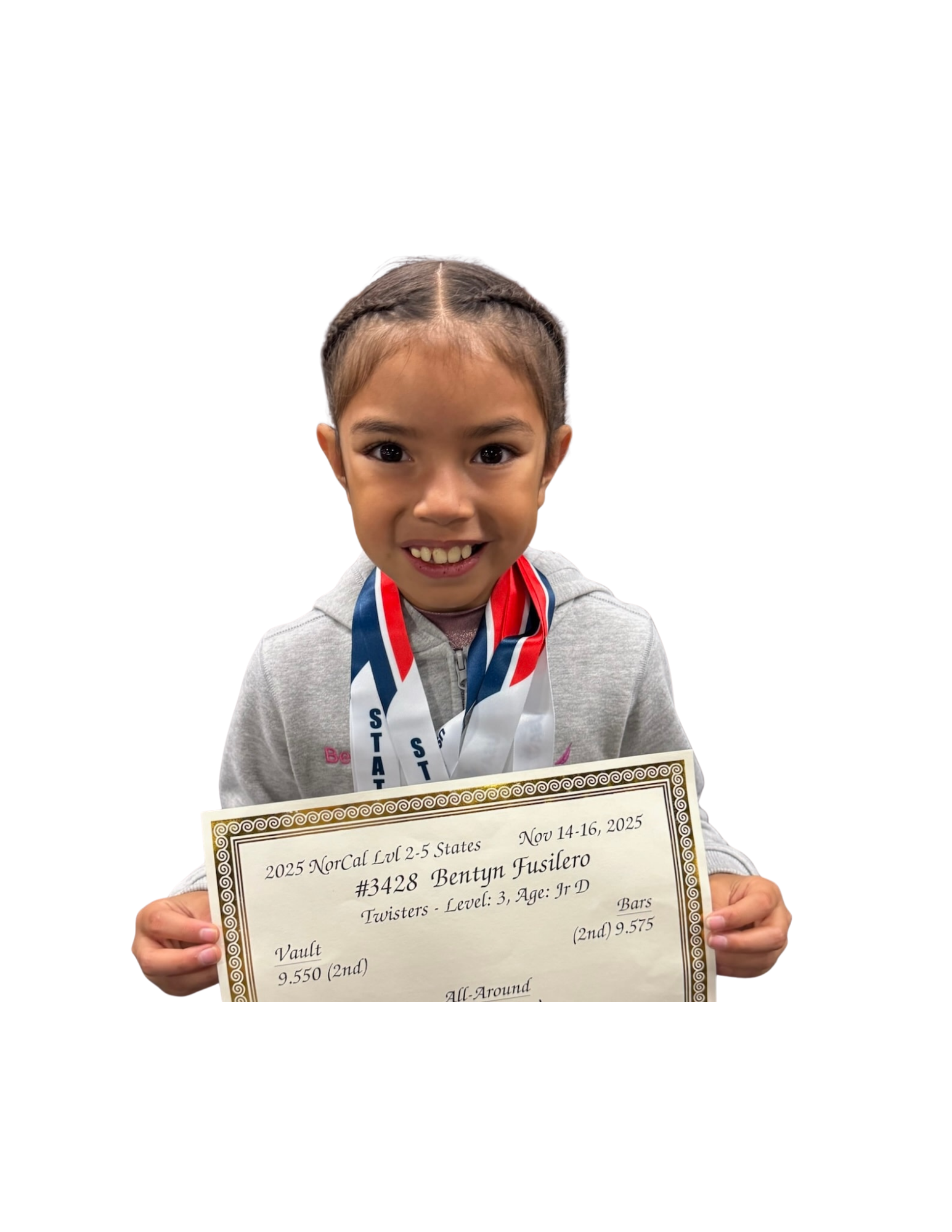
For gymnasts who are ready to put the line under pressure. USAG Xcel (Bronze–Diamond) and Developmental Levels 1–10. The same curriculum — subjected to greater forces.
Competitive Gymnastics
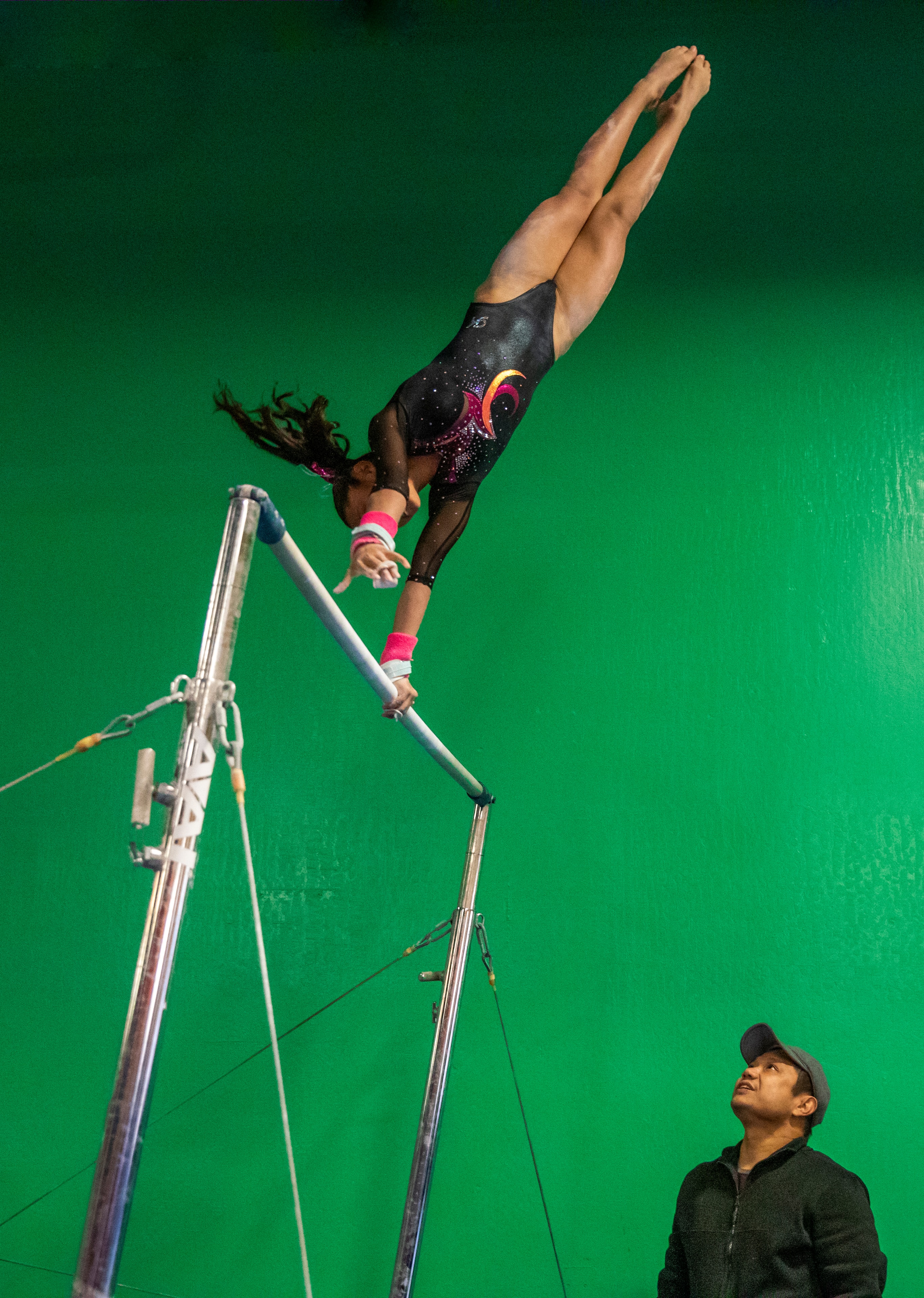
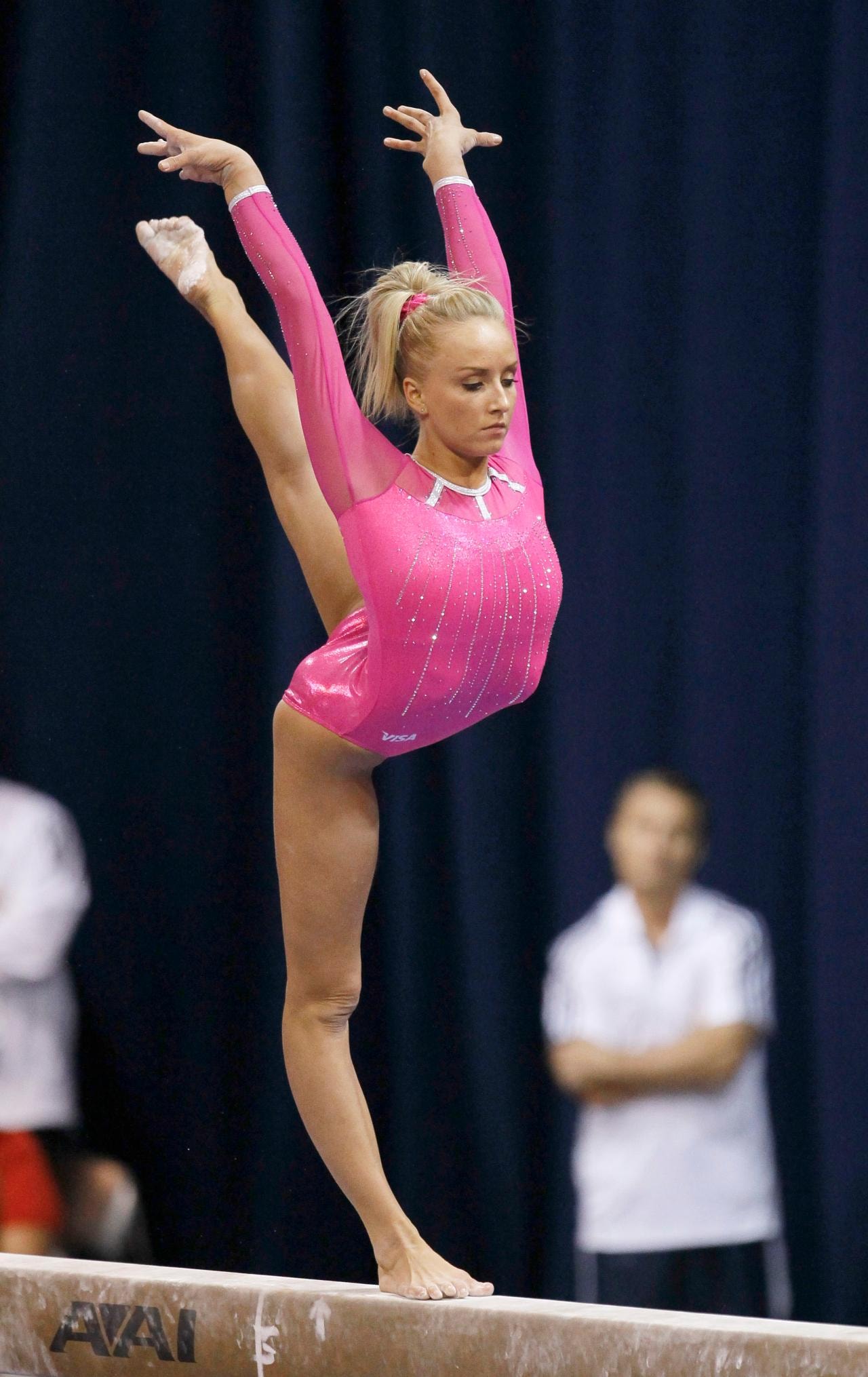
Twisters fields competitive teams in Women's Artistic Gymnastics (WAG) through USA Gymnastics Xcel (Bronze–Diamond) and Developmental Levels 1–10. Our competitive program is not a separate track — it is the same curriculum, subjected to greater forces. Gymnasts who own the line at the recreational level are invited to put it under the demands of speed, height, rotation, and the judge's eye.
Developmental Team
For gymnasts building toward USAG Levels 3–5. The focus is the line — not the score. Gymnasts learn to perform under pressure before they compete.
Competitive Team
USAG Levels 4 and above. Gymnasts compete in regional and state meets, representing Twisters with the curriculum behind every skill.
Every skill in gymnastics has a line. A straight body. A hollow hold. An extended finish. The gymnast who owns the line owns the skill — at every level, under every condition.
We built the Twisters curriculum around that idea. Seven roots. A map from the first log roll to the Yurchenko vault. Every skill traces back to one of them — and the handstand is not the first one.
Twisters
The gym
Emergent
The spark
GoDaddy
The platform
Perplexity
The science
ChatGPT
The logic
Grok
The edge
Founded
2006
Years serving South Bay
20+
Curriculum skills
80
The Seven Roots
For decades the handstand has been seen as the foundation of gymnastics. At Twisters, we simply disagree. These seven come first. The Headstand and the Lunge Kick Handstand are not the starting point — they are the proof that the first six were learned correctly.
Two shapes and the movement between them. Hollow: on the back, lower back pressed flat into the floor, legs lifted, arms long overhead — the body compressed into a concave curve. Arch: face down, chest and legs lifted simultaneously — the body extended into a convex curve. Oscillation: rocking back and forth between hollow and arch continuously, building the pendulum rhythm that powers every swing skill in gymnastics. The gymnast must be able to move freely in both directions — not just hold each shape, but transition between them without stopping. That back-and-forth is the skill.
The hollow-to-arch oscillation is the exact rhythm that powers every handstand swing and bar skill.
Forward rolling in a series and backward rolling in a series — each performed as a continuous sequence of repetitions, not a single roll. The gymnast learns to absorb the landing of one roll and immediately redirect into the next, building the rotational momentum and flow that connects all tumbling. Forward roll series and backward roll series are trained separately before they are linked together.
Rolling in series builds the comfort with inversion that makes going upside down feel natural, not frightening.
Rolling sideways down an inclined wedge mat in a straight, tight body — arms overhead, legs together — in both directions. Left to right and right to left. The log roll teaches the gymnast to maintain a rigid body line while rotating on a lateral axis, the same body discipline required for every twisting skill. Training both directions from the start ensures the gymnast does not develop a dominant side. The wedge provides the momentum so the gymnast can focus entirely on staying tight.
The log roll builds the rigid body discipline that holds the handstand straight once you get there.
Standing tall with feet together, arms long overhead, every muscle active from fingertips to toes. The stretch body is the reference shape for all of gymnastics — before a gymnast can rotate, invert, or fly, they must know what it feels like to be fully extended and fully controlled. Posture is not a warm-up. It is the standard.
Without a clean stretch body, the handstand has no shape to reach for.
Arms and legs extended wide in all four directions, forming an X. The X body is the maximum open shape — the counterpart to the tuck, and the shape a gymnast passes through in every layout, every split leap, and every skill that requires full extension. A gymnast who cannot hold a clean X body cannot hold a clean layout.
The X body is the open shape the handstand passes through on the way to vertical. No X body, no clean line.
A series of cartwheels, each entered from a side lunge — one leg forward, arms reaching wide to the side, body already oriented laterally before the skill begins. The side lunge is not a setup detail. It is the whole point. When beginners approach a cartwheel from a forward run, they tend to quarter-turn into it and then fail to kick the back leg through — the result is a twisted, collapsed shape instead of a wheel. Starting from a side lunge removes that quarter-turn entirely. The gymnast has nowhere to go but sideways. Shoulders, hips, knees, and feet all move through the same vertical plane — hand, hand, foot, foot — like a wheel rolling along a line. Repeating it in a series builds that lateral pattern until it is automatic.
The cartwheel series teaches weight transfer onto straight arms — the same transfer the handstand demands.
Two inversions, one body shape. The straight body and the stretch body are the same line — one is simply more extended. The headstand is the first inversion: tripod base, arms and head as a triangle, legs reaching vertical. The handstand removes the head and demands the arms alone hold the line. Every bar skill, every vault, every tumbling pass begins with this shape — learned first on the head, then transferred to the hands.
The Twisters Framework
The curriculum is not a list of skills. It is a map of how the human body moves through three-dimensional space under gravity — with symmetry as the organizing principle.
Before there was a sport, there were forces. Rotation, Translation, Oscillation, Projection — the four ways a body moves through space. Every skill in gymnastics is one of these four, or a combination of them. The sport did not invent these. It inherited them.
The four forces do not arrive all at once. A child body encounters them in a sequence — the same sequence, in every child, in every culture, across every generation. That sequence is not a curriculum decision. It is a biological fact. The bands follow it exactly.
You were born from your center. Before a limb can move with purpose, the core has to be awake. Before a shape can be held, the center has to be found. This is not a coaching philosophy — it is anatomy. Every skill in the sport originates here, whether the gymnast knows it or not.
Once the center is established, the body reaches for a line. One straight line from fingertips to toes — the stretch body, the reference shape for everything in the sport. Every skill is either an expression of that line or a controlled departure from it. One line. The whole sport lives inside it.
One line is simple. Two lines connected at a joint is not. The hinge — the segment from shoulders to knees — is where one line becomes two, and where the real work begins. It takes the most time, the most coaching, the most repetition of anything in the sport. Everything else develops relatively quickly. The hinge is the work of years.
Two lines become three. Foundation: knees to toes. Hinge: shoulders to knees. Expression: shoulders to fingertips. Every skill in gymnastics is a conversation between these three segments — which one leads, which one follows, which one holds. When all three are working together, the skill is complete.
Beyond the regular class

Half Day and Full Day camps built around the Twisters curriculum. More time on the floor. More time becoming.
Ages 4–12
Half Day: $70/day · Full Day: $94/day
Mon–Fri, 9 AM–12 PM or 9 AM–2 PM

Drop the kids off, take the night. Last Saturday of every month. Three hours of open gym, games, and gymnastics.
Ages 4–12
$60 per child
Last Saturday · 4:30–7:30 PM
Twisters Birthday Parties

Have your next great party at Twisters Gymnastics
Birthday Parties
One hour and forty minutes. The whole floor. A group of kids who will talk about it for weeks. Birthday parties at Twisters are built around movement — because the best parties are the ones where nobody sits still.
Up to 20 Kids
Up to 30 Kids
Visit us
We are in the heart of the South Bay, serving families from Santa Clara, Sunnyvale, Cupertino, Mountain View, San Jose, Campbell, Los Gatos, and Saratoga.
Address
2800 Bowers Ave, Santa Clara, CA 95051Phone
(650) 933-8698Hours
Mon–Fri: 4:30–8:30 PM · Sat–Sun: 9 AM–1 PM
Serving families from
Our Partners
We partner with best-in-class platforms to deliver a seamless experience for our gymnasts, families, and coaching staff.
Class Managers powers our class scheduling, enrollment, and studio operations — giving our coaches more time on the floor and our families a smooth registration experience.
Visit Class ManagersThe first step
Enroll through the iClassPro portal or call us during gym hours. We'll find the right class for your gymnast.